Google Ads and Facebook Ads for Florida Contractors: Which Channel Drives Better Leads?
Key Takeaways:
Google Ads is usually the better choice for local contractors when the goal is to get leads now from people actively searching for a service. Facebook Ads is usually the better choice when the goal is to build awareness, stay in front of homeowners, and create demand before someone goes to Google.
If you run a roofing, HVAC, plumbing, electrical, remodeling, or pest control business in Clearwater, Tampa, or the wider Florida market, the better platform depends on what kind of demand you need. Google Ads captures existing demand. Facebook creates new awareness and keeps your brand visible until that demand shows up.
That distinction matters more than almost anything else in paid advertising.
- Google Ads: Best for high-intent searches like “AC repair near me,” “roof leak repair Tampa,” or “emergency plumber Clearwater.”
- Facebook Ads: Best for awareness, remarketing, seasonal promotions, financing offers, and visually driven services like remodeling or outdoor living.
- Best practical mix: Use Google Ads to catch ready-to-buy leads and Facebook Ads to stay visible, build trust, and support longer sales cycles.
Google Ads vs Facebook Ads for local contractor lead generation in Florida
Google Ads and Facebook Ads solve different business problems, and that difference shapes lead quality, speed, conversion rate, CPC, cost, and ROI.
A contractor paying for Google Ads is usually paying to show up when a homeowner already has intent. A contractor paying for Facebook Ads is usually paying to interrupt attention, earn interest, and stay memorable until the need becomes urgent.
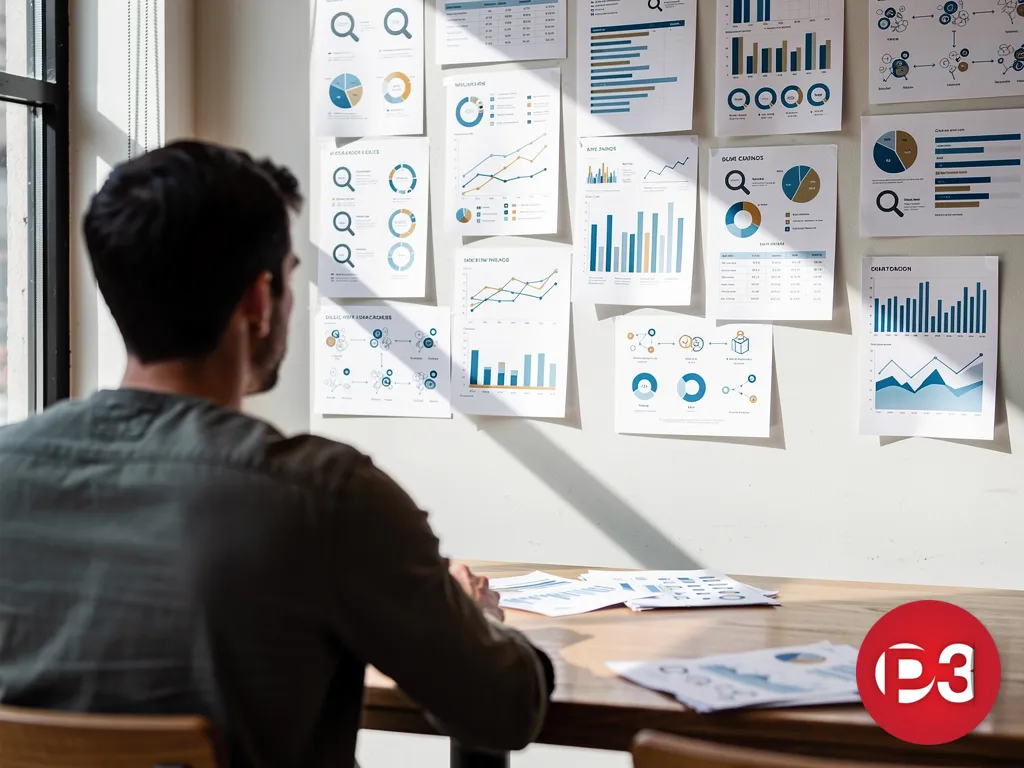
Side-by-side comparison of Google Ads and Facebook Ads for Florida contractors, showing search intent versus awareness and remarketing roles.
That is why asking which platform is “better” can lead to the wrong answer. A better question is this: Do you want to capture demand that already exists, or do you want to create demand and brand recall in your market?
| Factor | Google Ads | Facebook Ads |
|---|---|---|
| Core job | Capture existing demand | Generate awareness and interest |
| User mindset | Actively searching | Browsing social content |
| Best lead speed | Fast, especially for urgent services | Slower, often assisted by follow-up |
| Best for | Emergency services, estimate requests, local service intent | Promotions, brand familiarity, retargeting, visual services |
| Targeting method | Keywords, geography, search intent | Demographics, interests, behaviors, placements |
| Typical lead quality | Higher immediate intent | Lower immediate intent, stronger top-of-funnel reach |
| Creative format | Text-led search ads, call ads, landing pages | Image, video, carousel, Reels, lead forms |
| Sales cycle fit | Short | Medium to long |
| Ideal contractor examples | Plumbing, HVAC repair, electricians, restoration | Remodelers, pool builders, landscapers, med spas, design-build firms |
Google itself frames its search engine around search interest already happening. Its help documentation describes search trend insights, search volume, and opportunities to capture more demand from searches advertisers have not yet targeted (Google Ads Help). That is a direct signal of intent.
Meta positions its ad system around reach, placements, audience targeting, and visually driven exposure across Facebook, Instagram, Messenger, and Audience Network. That makes it strong for attention and repetition, not just direct-response clicks.
Why Google Ads captures existing demand for Clearwater and Tampa contractors
Google Ads captures existing demand because the homeowner raises a hand first.
When someone types “water heater replacement Tampa,” “emergency electrician near me,” or “AC not cooling Clearwater,” they are telling Google exactly what they need. Google Ads lets your business appear at that moment. According to Google Ads Help, search terms insights are designed to help advertisers identify which campaigns are capturing the most demand using intent-based search categories.
For contractors, this is often the shortest path from click to call. That is especially true in categories where the problem is urgent, expensive, or seasonal.
At P3, a simple rule tends to hold up: Google captures the hand raisers. Facebook, along with other digital marketing strategies, helps create more of them later.
Google Ads works best for urgent and estimate-driven contractor services
Google Ads works best when the buyer already knows the service they need and wants a provider nearby.
That includes:
| Service type | Why Google Ads often wins | Example search behavior |
|---|---|---|
| Emergency HVAC | Fast response matters | “24 hour AC repair near me” |
| Plumbing | Problem is immediate | “burst pipe plumber Tampa” |
| Roofing repair | Storm damage creates direct demand | “roof leak repair Clearwater” |
| Electrical | Safety concern raises urgency | “licensed electrician near me” |
| Water damage and restoration | Time-sensitive need | “water damage cleanup fast” |
| General estimates | Homeowner is comparing providers | “kitchen remodel contractor Tampa” |
The catch is that Google Ads can get expensive in competitive digital marketing categories. A higher click cost does not automatically mean a worse result, though. If the lead is qualified and your close rate is solid, a more expensive click can still be the smarter buy, providing a better ROI.
Why Facebook Ads build awareness for Florida contractor brands
Facebook Ads build awareness because they put your brand in front of local homeowners before those homeowners search.
A homeowner scrolling Facebook or Instagram may not need a new roof today. They may not be looking for a screened enclosure, kitchen update, paver driveway, or financing plan right now either. Still, repeated exposure matters. When the need shows up three weeks later, the contractor they remember gets the first look.
That is where Facebook shines for many Florida contractors with visual work and longer consideration cycles. Meta also offers broad exposure through Advantage+ placements, which can place ads across Facebook, Instagram, Messenger, and Audience Network. Its platform is built for repetition, audience building, and creative testing.
Pew Research Center reported in early 2024 that Facebook remains one of the dominant social platforms among U.S. adults, which supports its value for local reach and market saturation. For many contractor brands, that reach is useful even when the click does not turn into a same-day lead.
Facebook Ads work best for visibility, promotions, and follow-up
Facebook Ads work best when the sales process needs trust, repetition, or visual proof.
A few strong use cases stand out:
- Brand awareness in a defined service area
- Before-and-after project showcases
- Financing promotions
- Seasonal tune-up offers
- Retargeting past website visitors
- Review and testimonial campaigns
For some contractor categories, Facebook lead forms can work well. Still, the lead quality often depends on your follow-up speed and process. Social leads tend to need more nurturing than search leads.
| Facebook Ads use case | Why it fits contractors | Common offer angle |
|---|---|---|
| Brand awareness | Keeps your name familiar in-market | “Trusted in Clearwater for 20+ years” |
| Visual proof | Helps homeowners picture the outcome | Before-and-after remodels |
| Remarketing | Brings back visitors who did not convert | “Still thinking about replacing your roof?” |
| Seasonal campaigns | Matches homeowner behavior | Hurricane prep, AC tune-ups |
| Financing promotion | Reduces price hesitation | “Payments as low as…” |
Meta also reports that adding partner-enabled native Reels creative to a standard setup produced an average 5% lower cost per result and 11% higher conversion rate in a meta-analysis of 15 A/B tests. That is not contractor-specific, but it does show how creative format can change performance.
Google Ads vs Facebook Ads cost, lead quality, and sales cycle for local contractors
Cost per click (CPC), lead quality, and sales cycle differ sharply between these platforms, and those differences should shape your budget.
Google Ads often costs more per click because you are bidding on search engine intent. Facebook Ads often costs less per click because you are paying for attention, not a direct search. That lower click cost can look attractive, but it does not always mean a better lead.
This is where many contractor campaigns go sideways. A cheaper lead that never answers the phone or never books an estimate is not really cheaper.
| Metric | Google Ads | Facebook Ads |
|---|---|---|
| Cost per click | Often higher | Often lower |
| Cost per lead | Can be higher or lower depending on close rate | Can be lower up front, but quality varies |
| Lead intent | Usually stronger | Usually colder |
| Follow-up burden | Moderate | High |
| Time to close | Faster for urgent services | Slower for considered purchases |
| Best measurement | Calls, form fills, booked jobs | Assisted conversions, lead forms, remarketing lift |
A practical way to read this table is simple: understanding your conversion rate is crucial in deciding which platform suits your business needs better. If your business needs the phone to ring this week, Google Ads usually deserves the first dollars. If your market is crowded and you need more people to know your name, Facebook deserves a role too.
How Clearwater and Tampa contractors should choose the right ad platform
Contractors should choose the right ad platform by matching the platform to the buying stage.
If your category gets searched when something breaks, start with Google. Should your category gets researched over time, add Facebook earlier. If your average job value is high and trust matters, use both search engine and social media platforms with different jobs assigned to each channel.
A simple decision framework for Florida contractors
This framework gives business owners a practical starting point.
- Start with your lead goal: Fast lead volume points toward Google. Market visibility points toward Facebook.
- Look at service urgency: Emergency and repair services usually need Google first.
- Check how visual the sale is: Remodels, outdoor living, and design-heavy services often benefit from Facebook creative.
- Review your follow-up process: If your team is slow on calls, Facebook lead forms may disappoint you.
- Measure booked jobs, not just leads: The best platform is the one that produces profitable work.
Signs your contractor business may need both Google Ads and Facebook Ads
Many established contractors in Tampa Bay need both channels once the basics are in place.
- Google-first need: You want calls from active searchers right now.
- Facebook support need: You want homeowners to recognize your name before they search.
- Shared benefit: Better remarketing, stronger brand recall, and more stable lead flow across seasons.
A balanced ad strategy for Florida contractors who want better lead flow
A balanced ad strategy usually gives Google the demand-capture role and Facebook the awareness-support role.
That does not mean splitting the budget 50/50, nor maintaining the same CPC across platforms. In most contractor campaigns, the healthier structure is to put more budget into Google when immediate lead generation is the priority, then use Facebook for remarketing, social proof, service-area visibility and special offers.
Here is a simple planning model:
| Business situation | Suggested platform priority | Why |
|---|---|---|
| New contractor needing calls fast | Google first | Faster path to active demand |
| Established contractor in a crowded market | Google + Facebook | Capture search and build recall |
| High-ticket remodeler | Facebook + Google remarketing + branded search | Longer consideration cycle |
| Seasonal service company | Google during peaks, Facebook year-round support | Matches urgent demand and keeps visibility up |
| Contractor with weak brand recognition | Facebook awareness plus Google core campaigns | Fills both the top and bottom of the funnel |
One internal pattern P3 has seen over many years is this: when a contractor runs only Google Ads, lead flow can be strong but brand memory stays weak. When a contractor runs only Facebook Ads, visibility improves but short-term lead volume can feel inconsistent. When the website, landing pages, follow-up process, and tracking are in place, the two channels often support each other well.
That matters because P3 does not look at ads as isolated tactics. We build lead engines, and that means connecting traffic, messaging, landing pages, calls, forms, and follow-up into one digital marketing system.
Common mistakes Florida contractors make with Google Ads and Facebook Ads
Contractors lose money on paid ads when the platform choice and the landing experience do not match.
A few mistakes show up often:
- Sending paid traffic to a weak homepage
- Running Facebook lead ads without fast follow-up
- Buying Google clicks for vague keywords
- Ignoring call tracking and form tracking
- Using the same message on both platforms
Google searchers usually need speed, trust signals, and a clear next step. Facebook users usually need stronger visuals, better offers, and more repetition before they act. When the page, ad, and audience all match, performance usually improves.
Frequently Asked Questions
What is the main difference between Google Ads and Facebook Ads?
Google Ads helps you reach people who are already searching for your services. Facebook Ads helps you reach people who may not know about your business yet but fit your target audience.
Which is better for getting leads quickly?
Google Ads usually brings in leads faster because it targets people who are actively looking for your services. Facebook Ads can take longer since it focuses on building awareness first.
Are Google Ads or Facebook Ads more affordable for local contractors?
Costs can vary. Google Ads often has a higher cost per click, but those clicks are from people ready to hire. Facebook Ads can be cheaper per click but may need more time and budget to see results.
Can I use both Google Ads and Facebook Ads at the same time?
Yes, many contractors use both. Google Ads captures people ready to buy, while Facebook Ads helps you build brand awareness and stay top of mind.
How do I know which platform is working better for my business?
Track your leads and sales from each platform. Use tools like Google Analytics or ask new customers how they found you. This helps you see which ads are bringing in real business.
Do I need a big budget to start with Google Ads or Facebook Ads?
You can start with a small budget on either platform. The key is to set clear goals and track your results so you know where your money is going.
Should I manage my ads myself or hire someone?
If you have the time and want to learn, you can start on your own. But many contractors find better results by working with a trusted marketing partner who understands both platforms.
If you are wondering whether your current Google Ads or Facebook Ads strategy is helping or hurting your business in Clearwater, Tampa, or anywhere in Florida, we would be happy to take a look and give you an honest read on it.
Contact P3 today for a free website and marketing strategy evaluation or call us directly at (727) 474-9064.